Short answer
A custom ERP in Egypt starts from 50,000 EGP for a focused first release of the core modules in 2026. The final price depends on modules, warehouses, users and roles, integrations, and Excel data migration; after a free discovery call, Enum Grow provides a fixed written quote, and clients outside Egypt can request a USD quote.
What “from 50,000 EGP” means
This is a 2026 starting price for a first release, not an unlimited ERP. The first release concentrates on the core operation causing the most errors or delay, then gives the team a working system it can verify. For a distributor, that might be the product catalogue, stock by warehouse, supply intake, transfers, client shipments, and the running balances those operations create.
The written scope must name the modules, workflows, reports, roles, opening data, and acceptance scenarios included. Work outside that boundary is estimated as a later phase or an approved change. This keeps the starting investment tied to usable operations rather than a long list of partially finished modules.
Modules are the largest cost driver
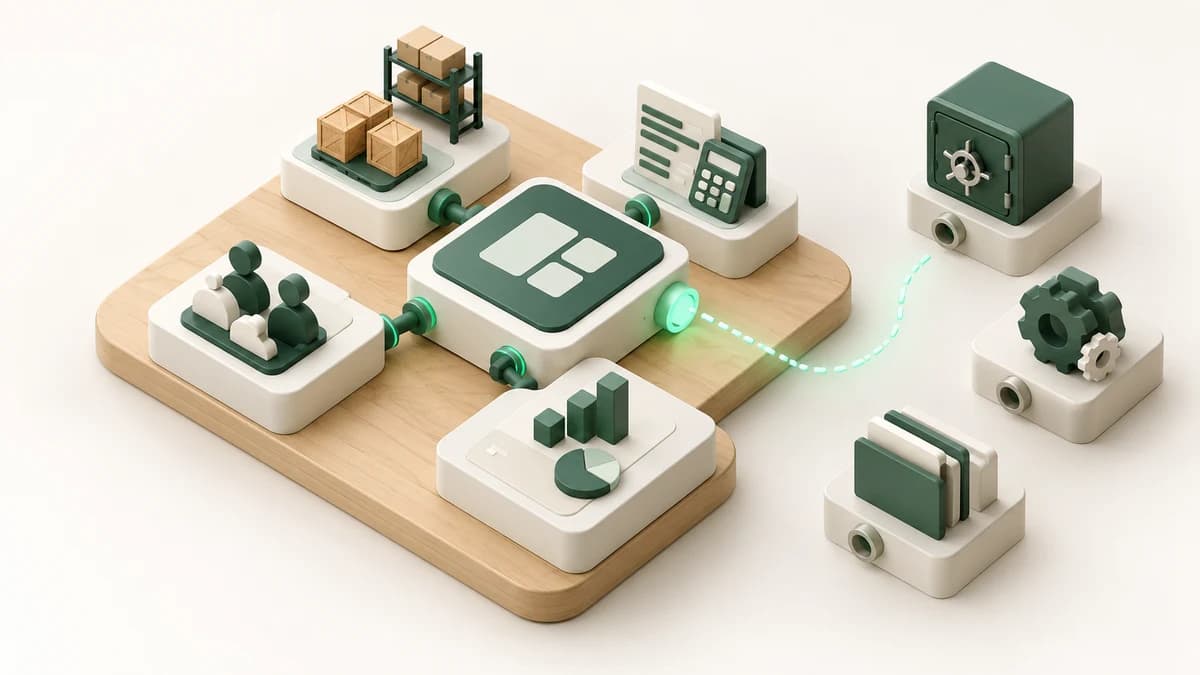
Inventory, purchasing or supply, sales or distribution, client and supplier accounts, treasury, HR, payroll, and management reports each contain multiple workflows. The effort comes from the rules connecting them. A shipment may deduct stock, create a client balance, affect a return, appear in aging, and later connect to a bank receipt.
Separate what is needed for the first working release from what is useful later. Inventory and accounts may lead one project, while another starts with treasury or HR. Scope reports by the decisions they support.
Warehouses, users, roles, and integrations
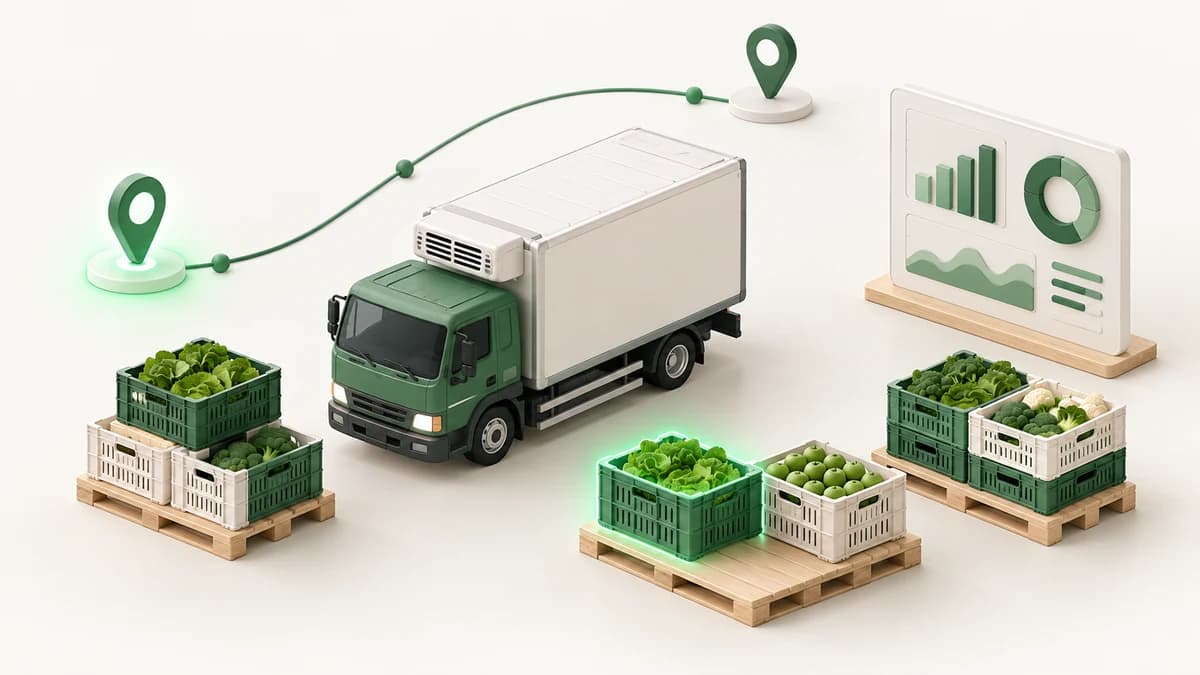
Several warehouses or rented cold stores introduce location balances, transfer issue and receipt, goods in transit, permissions, and reconciliation. More users do not simply mean more login accounts. Different roles may require restricted fields, approval routing, audit history, and dashboards appropriate to warehouse staff, accountants, managers, or executives.
Integrations with payments, e-invoicing or tax workflows, banks, e-commerce, delivery tools, barcode equipment, or existing databases need agreed data, error handling, and testing. Discovery separates essential connections from later phases.
Moving clean opening data from Excel
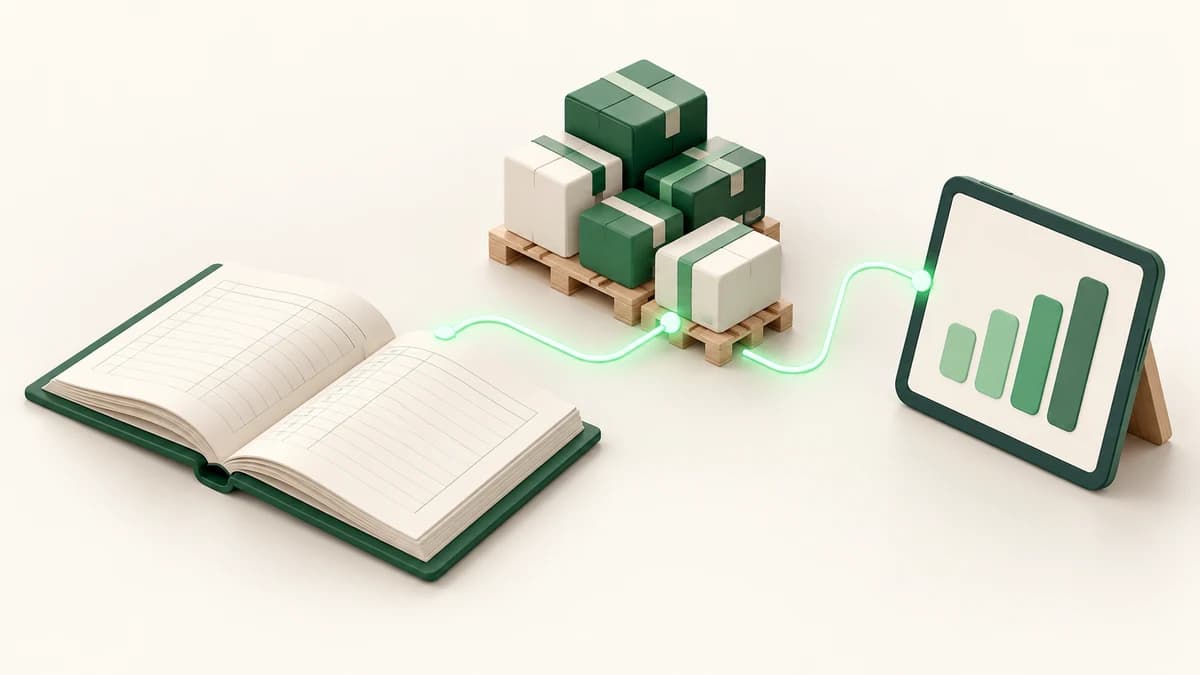
Migration is not a button that makes old spreadsheets reliable. Product names and units may be duplicated, customer and supplier balances may lack supporting documents, and warehouse stock may exist only as a combined number. The team must decide a cut-off date, clean master records, approve opening balances, and reconcile the imported result.
“Moving From Excel to an ERP: A Step-by-Step Plan” explains the controlled cutover. The fixed quote must state which files, fields, history, and opening balances will be imported and who cleans and approves them.
Custom ERP versus a per-user subscription over time
Review subscription ERP cost over several years, including users, add-ons, implementation, customization, data work, support, and side spreadsheets when the fit is poor. Do not compare a custom first release with one subscription month.
A custom ERP is shaped around the company's documents, approvals, locations, and reports. “Ready-Made ERP vs Custom ERP: Which Is Right for Your Business?” explains the decision. Compare workflow fit and total operating cost.
Timeline, demo, and the fixed quote
A focused custom ERP first release typically takes 8–12 weeks. Delivery is phased: map the priority workflow, agree the data and acceptance cases, design and build, test with representative transactions, load approved openings, train users, and stabilize the release. Later modules expand the same system after the first operation is working reliably.
Enum ERP demonstrates multi-warehouse stock, external cold stores, supplier and client accounts, treasury, loss tracking, aging, movement history, and valuation at https://enumerp.enumgrow.com/. After a free discovery call, Enum Grow provides a fixed written quote starting from 50,000 EGP for the agreed first release. Hosting, domains, third-party services, and ongoing maintenance are explained and quoted separately. Clients outside Egypt can request a USD quote.
Frequently asked questions
How much does a custom ERP cost in Egypt in 2026?
A focused first release starts from 50,000 EGP. The fixed written quote follows a free discovery call and depends on modules, workflows, warehouses, roles, integrations, reports, and data migration.
What modules can be included in the first release?
The first release normally selects the core modules needed for one complete operation, such as inventory, accounts, treasury, or essential reports. HR and other modules can be included when they are the priority or added in later phases.
How long does a custom ERP first release take?
A focused first release typically takes 8–12 weeks. Data readiness, integrations, decision speed, and the number of workflows included can affect the delivery plan.
Are hosting and maintenance included in the ERP starting price?
Hosting, domains, third-party services, and ongoing maintenance are quoted separately because they depend on infrastructure and support needs. The fixed proposal identifies what belongs to the first release and what remains an ongoing cost.